
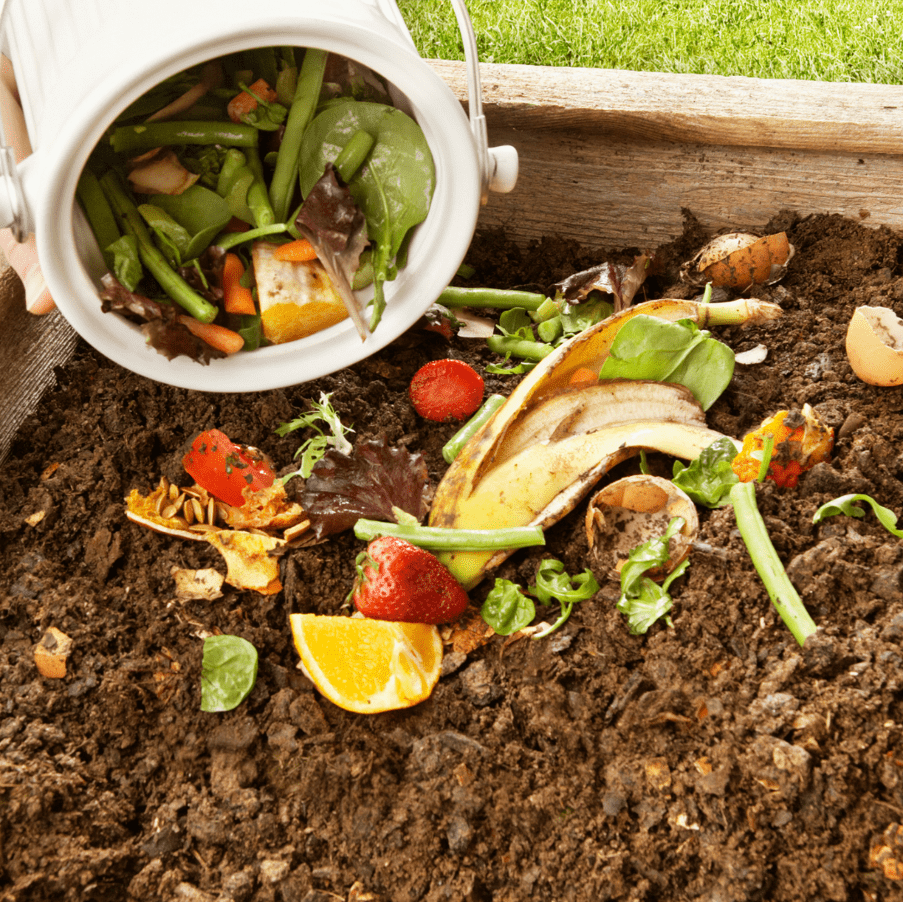
In today’s blog, we look at the topic of environmentally friendly composting.
Composting is a natural process that breaks down organic materials into a rich, nutrient-dense soil amendment.
Here are some tips for environmentally friendly composting:
Choose the right location. Select a place for your compost bin that is well-drained, out of direct sunlight, and has good air circulation.
Suitable materials. Add a mixture of brown (carbon-rich) and green (nitrogen-rich) materials to your compost bin, such as fruit and vegetable scraps, garden waste, and coffee grounds.
Monitor moisture levels; for example, keep your compost bin moist but not waterlogged. If your compost is too dry, add water; if it’s too wet, add more brown materials.
Turn the compost. Turn your compost pile regularly to mix the materials and speed up the decomposition process.
For example, use natural pest control methods, such as adding beneficial insects like worms or using plant-based repellents, to avoid using harmful chemicals.
Compost in your garden; use it as a natural soil enhancer once it is ready. Compost can improve soil structure, add nutrients, and promote healthy plant growth.
By following these tips for environmentally friendly composting, you can create a rich, natural soil amendment for your garden while reducing waste and supporting a sustainable environment.
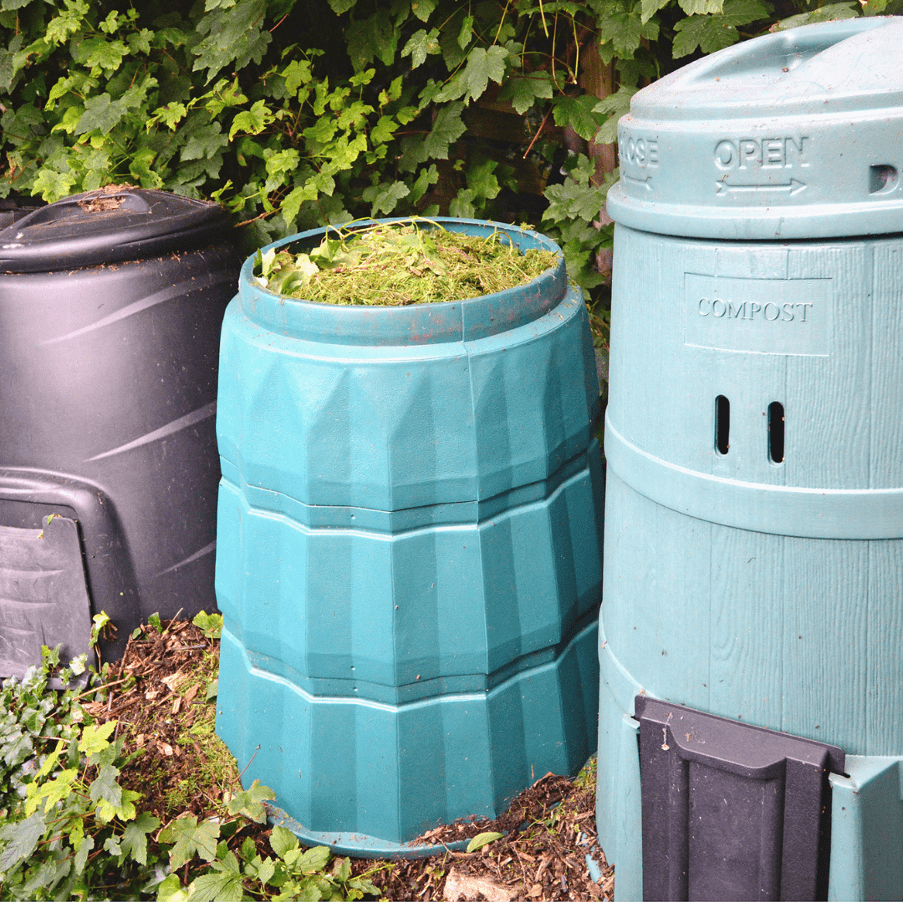
You can put a wide range of materials in your compost bin, including:
Fruit and vegetable scraps
Tea bags and coffee grounds
Grass clippings and leaves
Twigs and small branches
Eggshells
Garden prunings and hedge trimmings
Cardboard and paper (shredded)
Sawdust and wood chips (from untreated wood)
Animal bedding (from vegetarian pets)
Human hair and nail clippings
It is essential to avoid putting any materials in your compost bin that can attract pests or slow down the composting process.
This includes meat, dairy, oily food scraps, and pet waste.
Also, avoid composting materials treated with pesticides or other chemicals, as these can harm beneficial organisms in your compost pile.
By following these guidelines, you can create a rich, natural soil amendment for your garden while reducing waste and supporting a sustainable environment.
For more information about environmentally friendly composting, contact us today for expert advice.


